
Dispatches from the ground.
Randy and Angie are in Cap-Haïtien selecting the cohort in person and paying school fees at the schools themselves. The school year opened September 7. Photos, short videos, and plain updates post here as they happen.
Shoes, uniforms and rice. The part that doesn't make headlines.
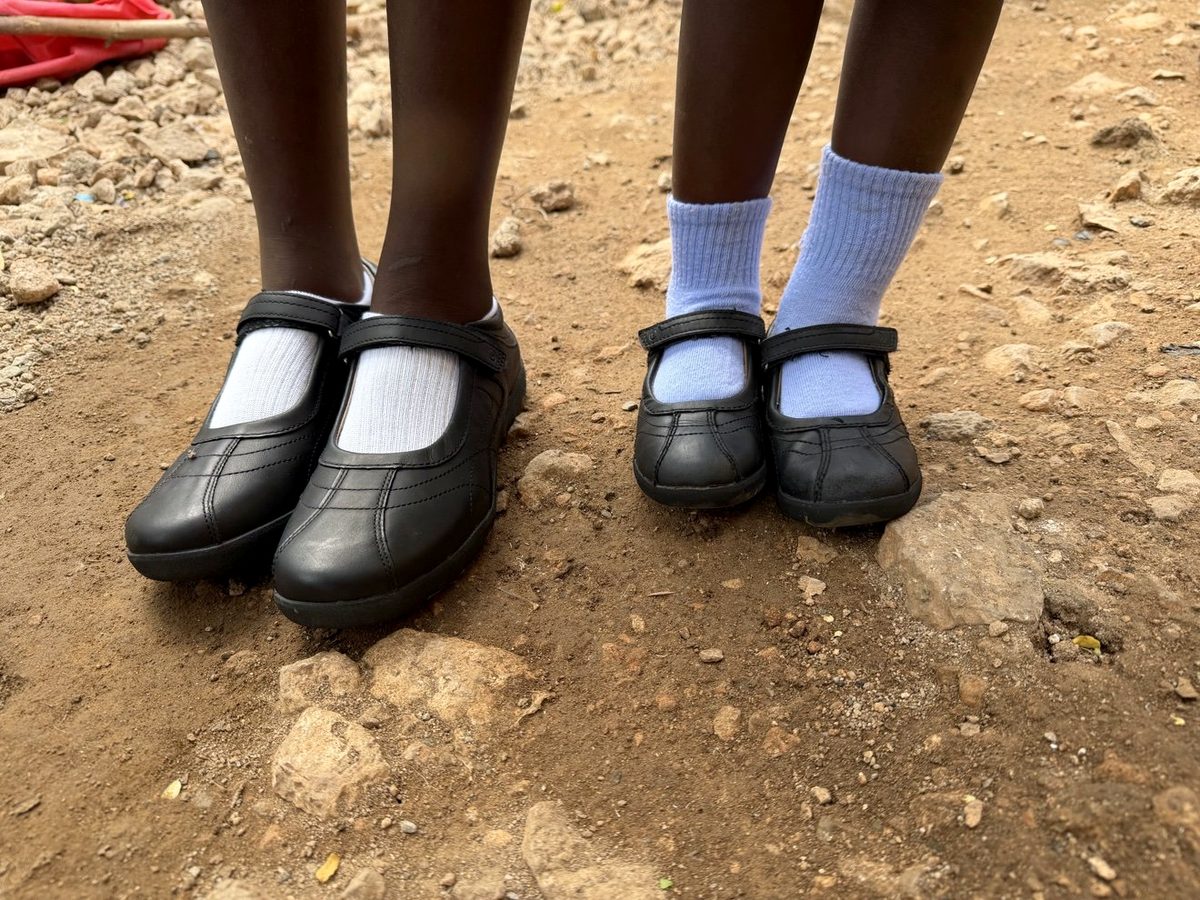
Paying tuition gets a child through the school gate. It does not get her through the school day. This week was the rest of it.
We fitted shoes and uniforms, one child at a time. Black shoes, because Haitian schools require black shoes. If you have read Angie's story, you know why that detail is not small to us.
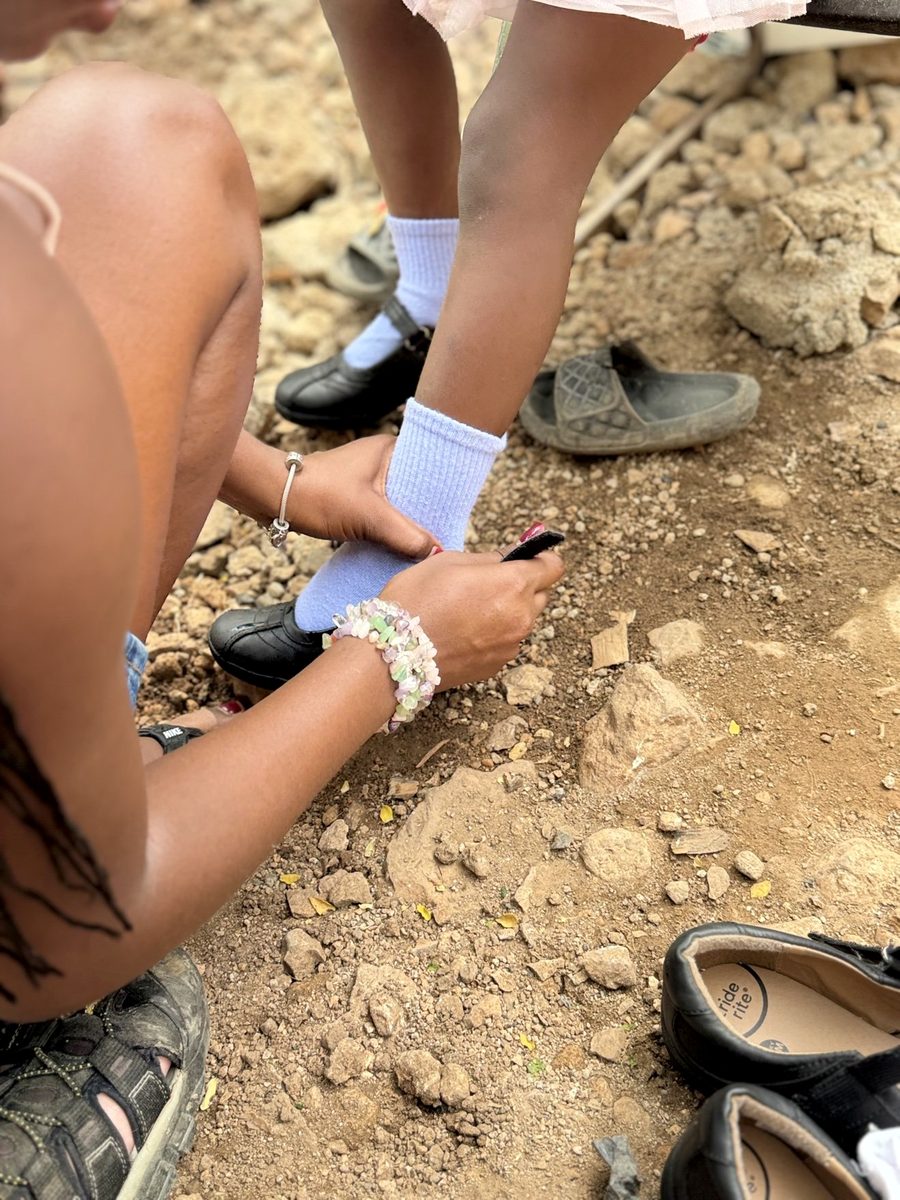
New shoes on. The old sandals off to the side.
We also went back for the paperwork. This is what "paid in full" looks like here: the year's fees, the date, the word acquitté, and the school's signature. We blurred the child's name, class and the school's details. Everything else is exactly as it was handed to us.
And we bought food, starting with a 25-kilo sack of rice. Children learn better fed. That is the whole argument.
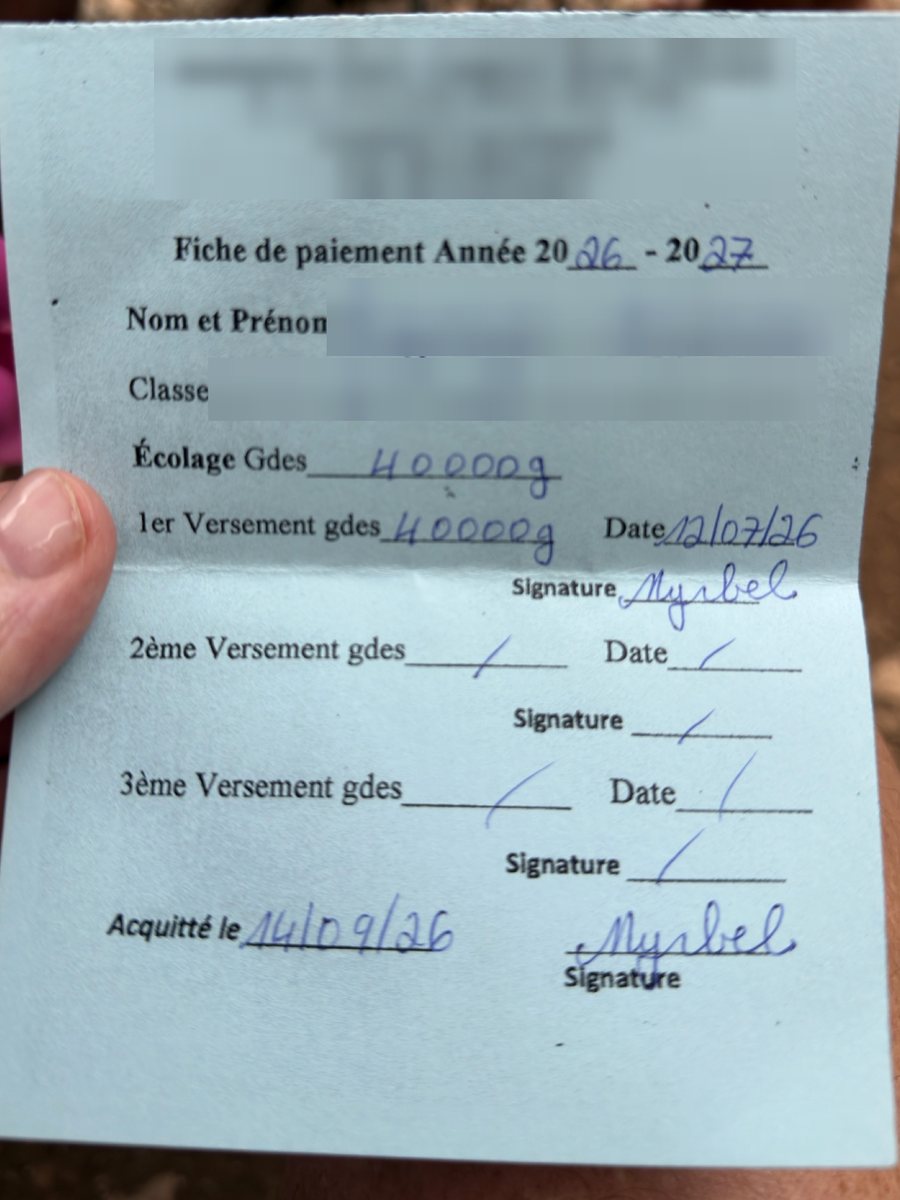

Paid in full and signed off by the school. And the first of the rice.
None of this makes a good headline. It is most of what a $1,500 sponsorship actually buys, and it is why we would rather show you receipts than talk about impact.
A sixteenth child. No sponsor behind her.
We finished paying for the fifteenth child yesterday. Before we could leave the office, the school director asked to talk about one more.
The student she described is one of the strongest in her school. Her national exam results are high enough that her teachers bring them up unprompted. She is also orphaned, and the household that had been caring for her is breaking up. The person left looking after her cannot cover the fees, and the school had been carrying her on arrears.
We had enough cash with us to clear those arrears. We did it there, at that desk, the same way we did the other fifteen. She starts the year on time.
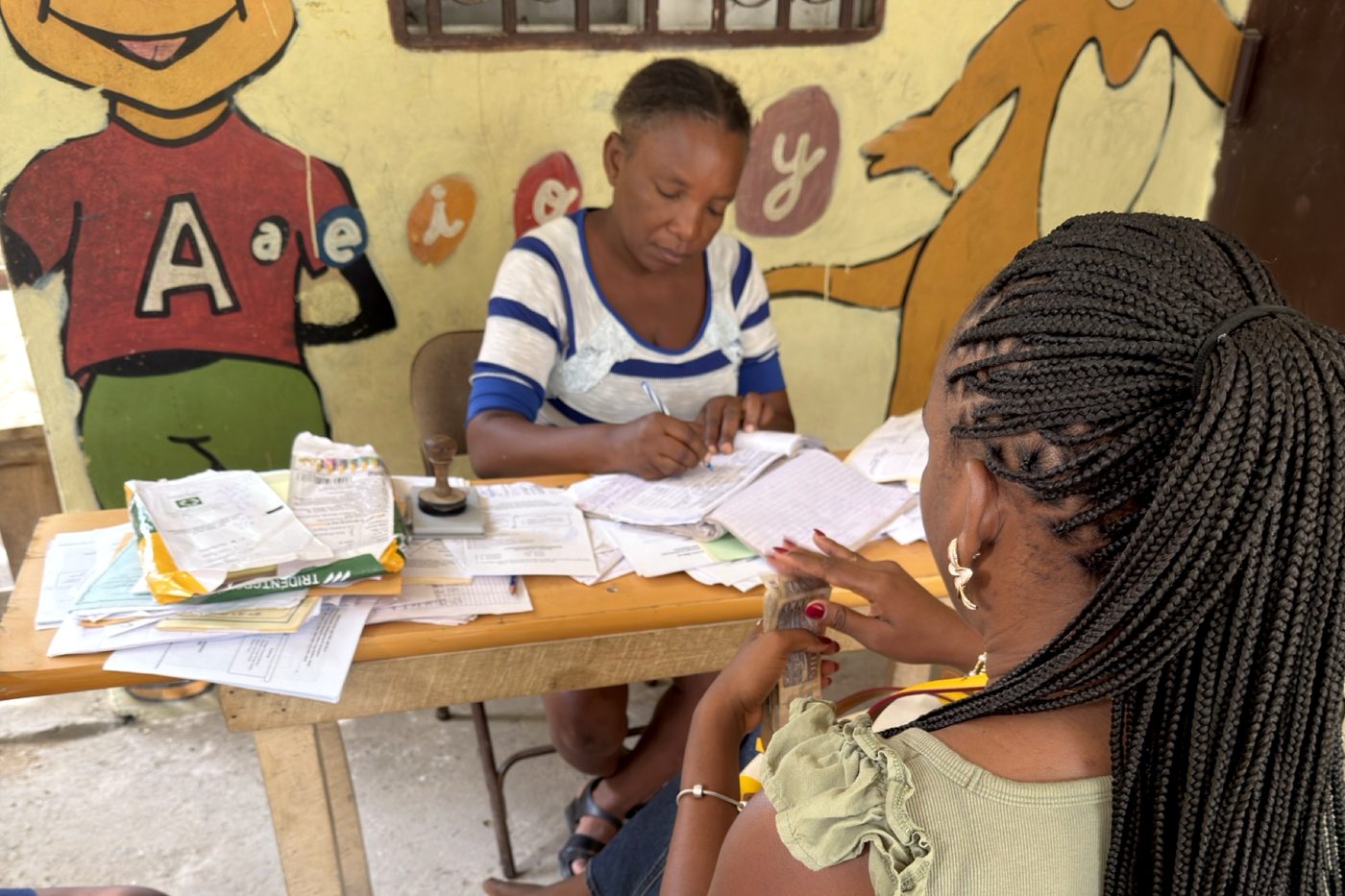
Arrears cleared at the school's own registration desk, entered in the ledger and stamped before we left.
Here is the part we are not going to dress up. Fifteen seats in this cohort are funded by sponsors. Sixteen children are in school. The difference is her, and she is enrolled on money we advanced rather than on a seat a donor has paid for. We would make the same call again. We are also not going to quietly round the counter up to sixteen and hope nobody checks.
We are not naming her, showing her, or naming her school. Her living situation changed this month, and that is not fundraising material.
Her full year is $1,500, which closes the gap in one gift. If that is not your number, $25 a month is five people away from a seat, and a monthly gift starting now is what funds the January intake.
Fifteen children enrolled. Seventy-five families still asking.
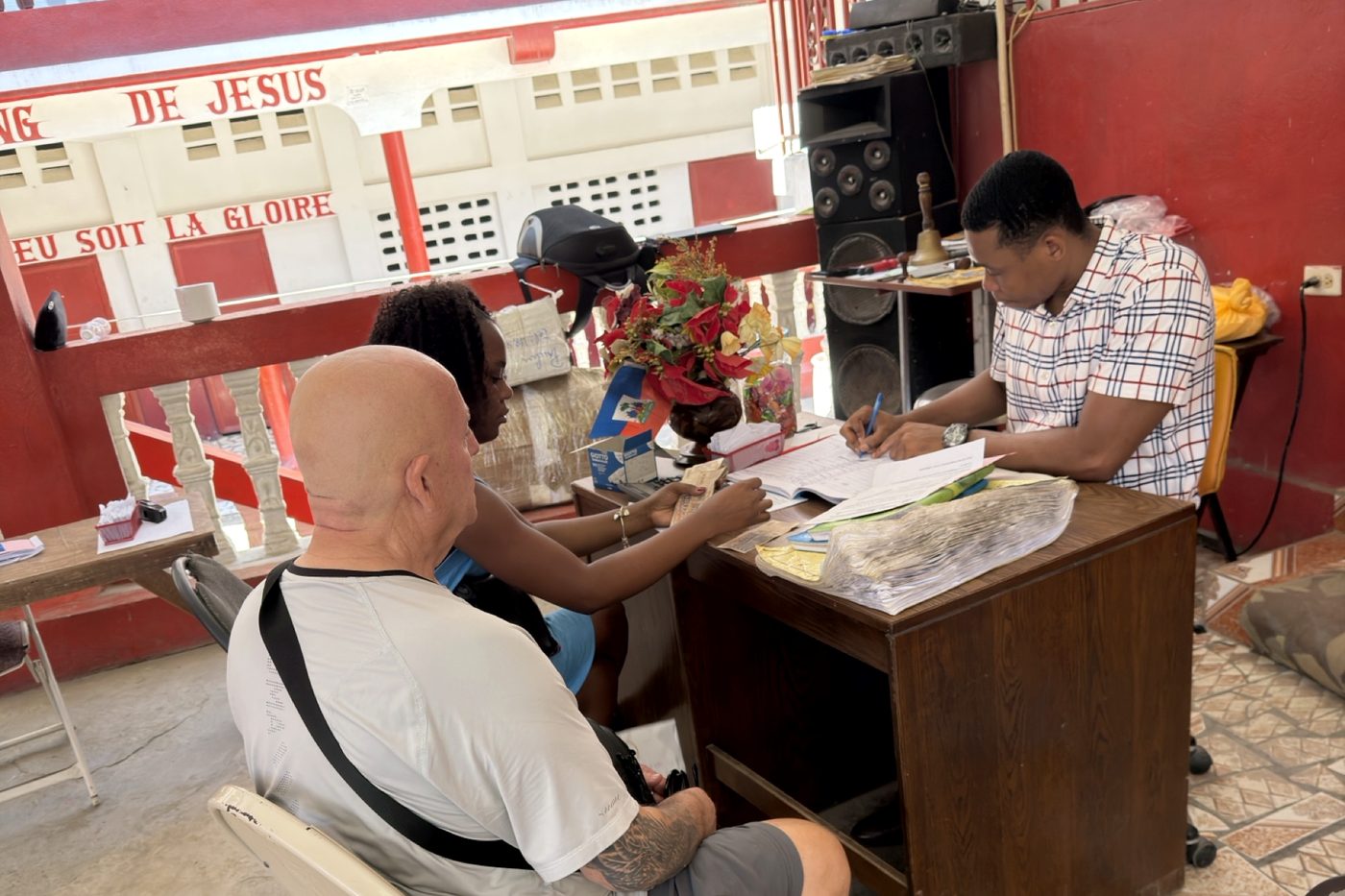
School fees paid at the desk, entered in the school's own ledger, receipt in hand.
Haiti is a fluid country. Plans made in Midland get rewritten on the ground in Cap-Haïtien, usually inside the first hour.
Here is where we actually are. Fifteen children have had their school fees paid in person, in cash, at their own schools. We sat at each director's desk, counted the money out, and watched the payment go into the school's ledger with a receipt written against it. No wire, no intermediary, no promise to send it later.
Part of the reason the number is fifteen is the mothers. Several of them told us they could cover books and a uniform themselves if we would carry the tuition. That is not a small offer from a family in Cap-Haïtien, and it means the money you gave reached further than our budget said it would.
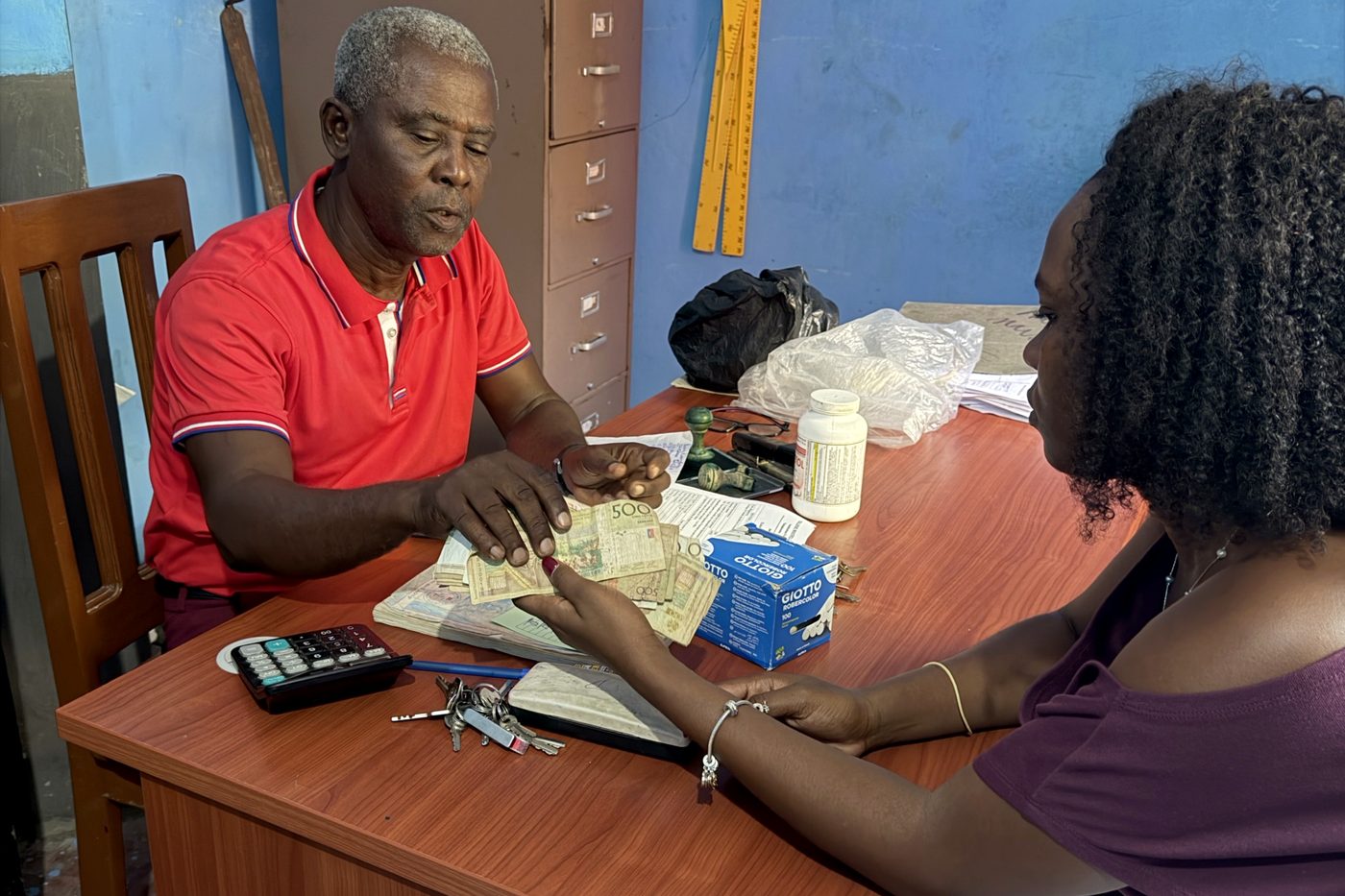
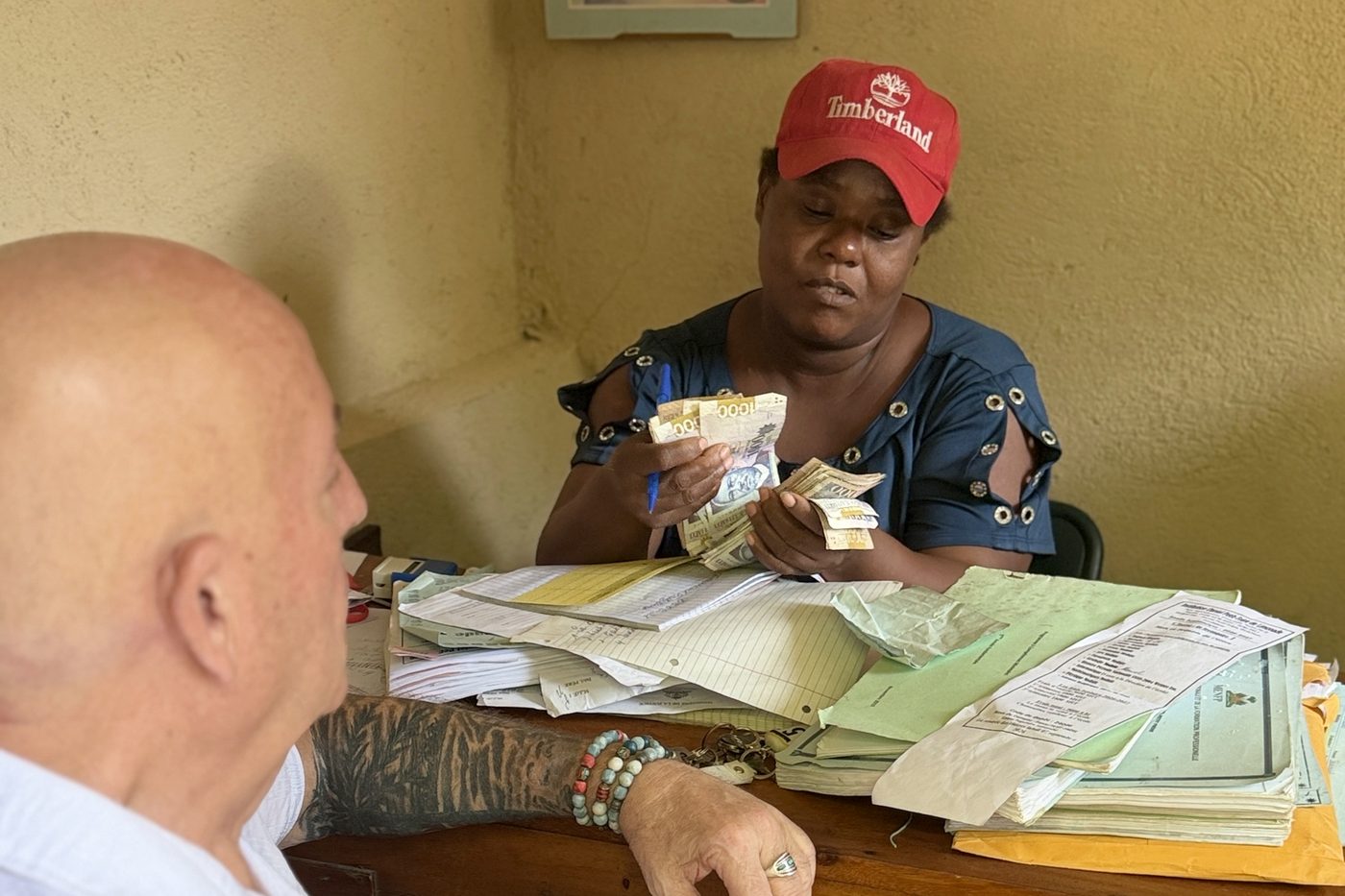
Two more schools, two more payment records. Every payment is counted in front of us and logged before we leave.
We came home with more than seventy-five requests in hand. Each one is a parent who found us, asked, and is now waiting on an answer. Our Year 1 plan funds thirty children completely, and we are not going to pretend the rest stop existing because our budget stops at thirty.
There is no manufactured emergency here. A child whose fees are not covered enrolls late rather than never, and there is a second intake in January. But late costs a child something real, and every sponsorship between now and then takes one more name off that list.
If $1,500 is not your number, $25 a month is. Five people at that level fund one complete seat every year, and a monthly gift starting now is what pays for the January intake.
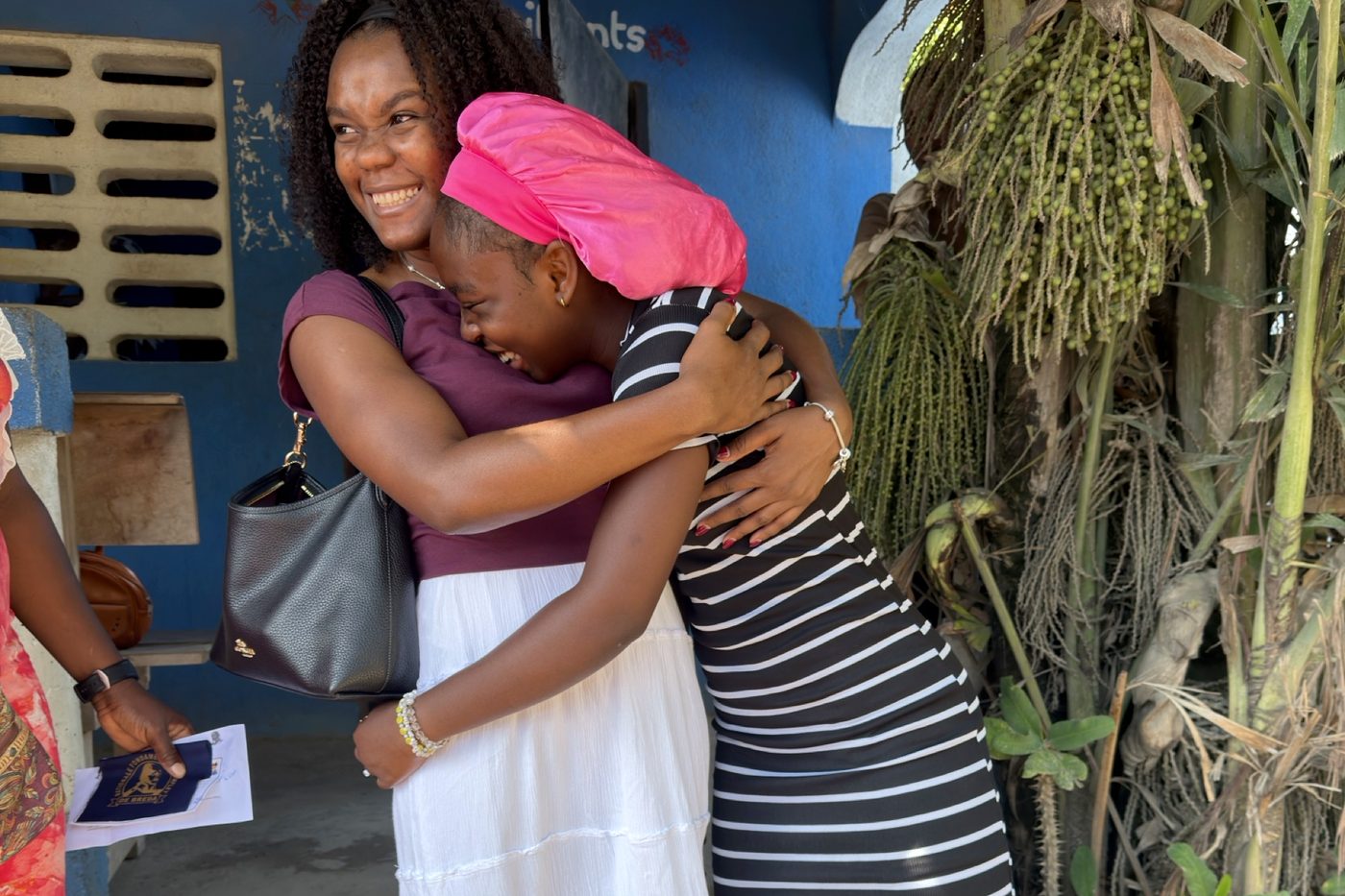
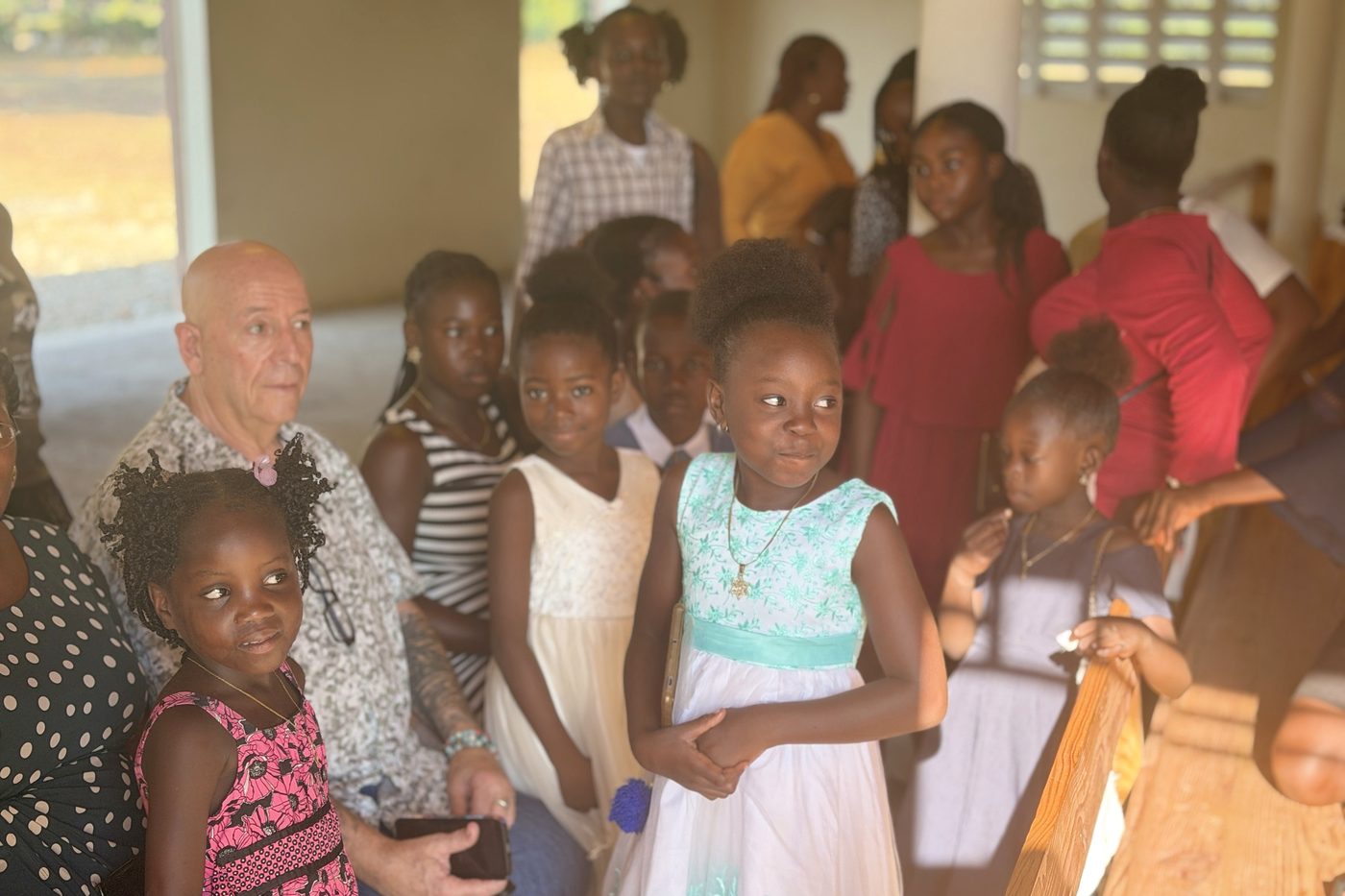
The families these seats belong to. Photographs published with signed consent.

Help us help them.